
Dear Outside political consultants: Welcome to Alaska. Please don’t ruin it.
By: Sarah Erkmann Ward, APR, president of Thompson & Co.’s advocacy arm Blueprint.
As we head toward another high-stakes November election, Alaska is once again a popular destination. Not for fishing, hiking, or seeing the northern lights, but for Lower 48 political consultants.
National groups are preparing to pour tens of millions of dollars (some estimate more than $50 million!) into Alaska’s airwaves, mailboxes, and social media feeds. That is not unusual. Our elections are much cheaper to influence than in places like California or Florida, where spending climbs into the hundreds of millions. It can feel unbearable for us Alaskans at times, and yes, the lead-up to the August primary and November general elections is going to test all our patience.
So, if you are one of the outside groups preparing to parachute in, consider this a friendly note from someone who works in communications here year-round.
Alaska is not like the rest of America. We know all states say this, but here, it’s 100% true. Your standard playbook may not survive the landing. It is easy to step in it here without even knowing it.
First, Alaska may be geographically massive, but culturally it often functions like one big, small town. People know each other. They remember who showed up and who did not. They remember who told the truth, who dodged questions, and who flew in for 48 hours to run ads before heading back down south. We can spot a phony a mile away.
Your credibility often arrives before your candidate does. If your messaging feels imported, it will be treated that way. And you won’t be doing your candidate or cause any favors.
Second, Alaska is not one audience. To say we are diverse is an understatement.
There is no single “Alaska voter.” There are Anchorage voters, Mat-Su voters, Interior voters, and Southeast voters. There are military families, union households, Alaska Native communities, fishermen, oilfield workers, teachers, and small business owners. Plenty of people identify as more than one of those at the same time.
Third, what works elsewhere does not automatically resonate here.
Despite our reliable status as a red state in presidential elections, Alaska does not follow a political script. Independence here is a personality trait. Overly partisan language, culture-war shortcuts, or slick, polished messaging will land as suspicious rather than persuasive. At their worst, they can hurt the candidate you aim to support, or even force him/her into denouncing your message. Not a good look and a huge waste of money.
Tone matters as much as content. Voters can tell when a candidate is using lines tested in another time zone. Your pollsters and voice actors need to know how to pronounce Kenai, Tok, and Utqiaġvik. And politics aside, it’s Denali, not Mount McKinley.
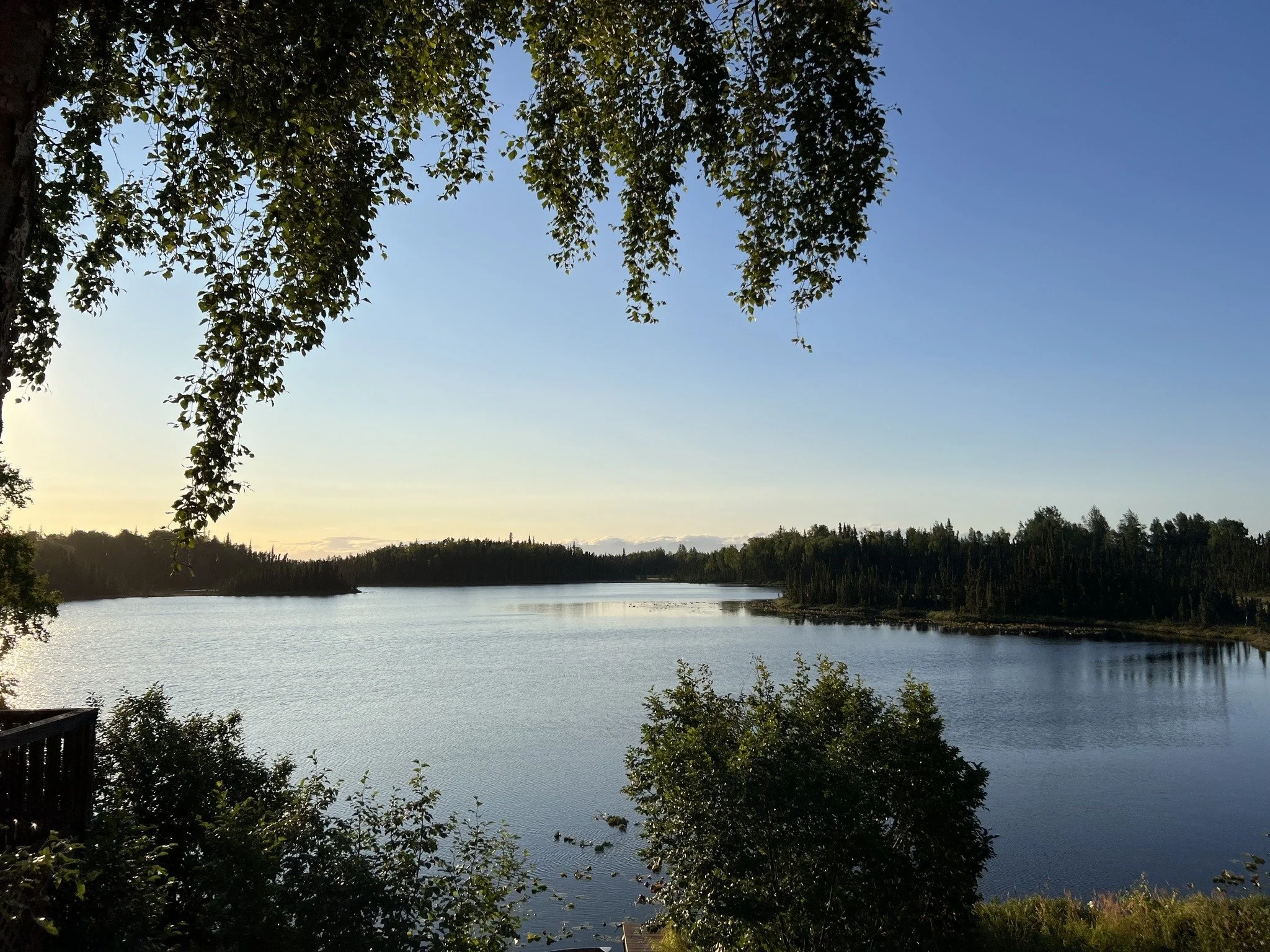
Please do not fly in actors to play “Alaskan.” Do not film your candidate in front of a generic rugged backdrop that could be anywhere from Colorado to a Hollywood soundstage. Do not stage conversations with bearded men in red plaid shirts and shiny new XTRATUFs.
Pro tip: Use real places and real people. If you can’t find anyone willing to participate, you likely have a bigger problem.
This state is complex and our economy is layered. Our relationship with the federal government is complicated (we want their money, but not their rules). When campaigns show up offering two-sentence solutions to nuanced issues, voters do not think, “Finally!” They think, “Give me a break.”
None of this is meant to discourage engagement. Competition is healthy and debate is necessary. But persuasion here requires respect and savvy.
That means hiring local vendors. Listening to local leaders. Understanding regional differences. Learning the geography. It means recognizing the people you are targeting will live with the consequences of these elections long after consultants have boarded flights home.
Please be thoughtful about what you say and how you say it. Alaskans may disagree on a range of issues, but by and large we coexist and try to work together, scorched-earth messaging might make for more interesting direct mail, but it can leave behind deep resentment that makes governing far more difficult.
Our state faces serious challenges that require focus and collaboration. We don’t need to inflame divisions or create a climate where people are more interested in settling scores than solving problems.
You can buy up all the airtime in Alaska, but you cannot buy credibility. It must be earned through hard work. If you want to communicate effectively here, start by speaking to Alaskans as people. Not demographics, stereotypes, or political experiments. And certainly not backcountry rubes. We are smart and paying attention. Because when this is over, someone still must govern this state, and we all still have to live here.